Keto Diet Guide for Beginners

Starting the keto diet can feel intimidating, especially if weight loss has already felt hard in the past. There is a lot of noise online, a lot of rules, and a lot of pressure to do it perfectly from day one.
This guide is here to slow things down. You do not need special products, extreme rules, or a dramatic lifestyle overhaul. Keto can be simple, flexible, and realistic when you understand the basics and focus on what actually matters for weight loss.
I have been eating keto since February 2019. I started in my mid-30s, and I am now in my early 40s. I reached my initial weight loss goals within the first 6 months, but I stayed with a keto lifestyle because it supported long-term weight management, energy, and overall well-being. If you want to explore this side of keto more deeply, I share additional context in my post on the potential health benefits of the keto diet.

Everything I share here comes from personal experience, testing, and working through what actually feels sustainable in real life. Bodies respond differently to keto, and it is completely okay if your experience looks different than mine.
If you’re new to keto (or restarting and feeling overwhelmed), I put together a calm, beginner-friendly checklist you can follow without overthinking anything.
What Is the Keto Diet In Plain English
The keto diet is a low-carb way of eating that helps your body burn fat for fuel instead of relying on sugar.
When you eat very few carbohydrates, your body runs out of quick sugar energy and starts using fat instead. This metabolic state is called ketosis.
In practical terms, keto usually looks like this:
- About 5 to 10 percent of calories from carbohydrates
- Around 20 to 25 percent from protein
- The rest coming from fat
These numbers are not rules you need to hit perfectly. They are a general framework that helps explain why keto feels different from other diets. Most beginners do better by focusing on food choices first and worrying about exact ratios later.
If you’re thinking, “I just want to know what foods are okay,” I’ve put all the basics (foods, vegetables, fruit, flours, and a starter guide) together in one simple bundle here:
How Keto Helps With Weight Loss
Many people turn to keto for weight loss because it changes how hunger and cravings feel.
On a typical high-carb diet, blood sugar rises and falls throughout the day. Those swings often lead to strong hunger, frequent snacking, and intense cravings.
Keto helps with weight loss by:
- Reducing blood sugar spikes
- Making meals more satisfying
- Simplifying food choices
- Helping appetite feel steadier for many people
This does not mean weight loss is instant. It means the process often feels less like a daily battle.
What to Eat on Keto as a Beginner
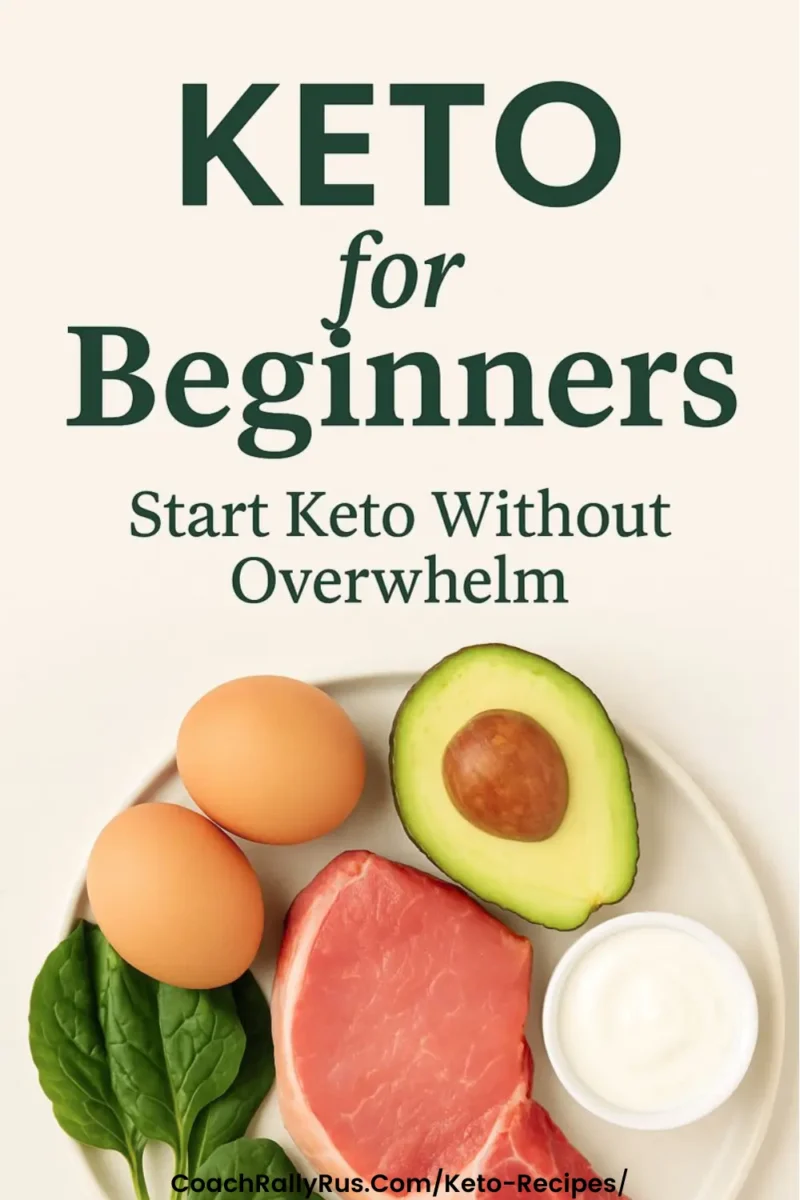
You do not need a complicated food list to start keto. Most beginners do best by focusing on simple foods they already recognize and enjoy, rather than trying to eat perfectly from day one.
Think in three basic groups.
Disclosure: This post may contain affiliate links. As an Amazon Associate I may earn from qualifying purchases. See our disclaimer.
Protein Foods
Protein helps preserve muscle and keeps meals balanced. You do not need to overload protein, but you do need enough to feel satisfied.
Examples include eggs, meat, fish, seafood, and full-fat dairy if tolerated.
Fats That Make Meals Satisfying
Fat adds flavor and helps meals feel complete. This is one of the reasons keto can feel more sustainable than many low-calorie diets.
Common options include olive oil, butter or ghee, avocado, cheese, and cream.
Low-Carb Vegetables
Vegetables add volume and variety without pushing carbs too high. Many beginners worry they will mess up keto with vegetables, but this is rarely the problem.
Good choices include leafy greens, broccoli, cauliflower, zucchini, and mushrooms.
Fruit And Baking Ingredients
Some fruits and baking ingredients can fit keto in small amounts, but they are not essential when you are starting out. It is completely fine to keep things simple and come back to those foods later.
If and when you are ready, these guides can help:
At the beginning, it matters more to eat enough real food than to track everything perfectly. Keto works best when meals feel satisfying and repeatable, not when every bite feels like a test.
What to Avoid in the First Weeks on Keto
The first few weeks on keto are about reducing friction. The goal is not to be perfect, but to remove the foods that make weight loss and cravings harder.
In the beginning, it helps to avoid:
- Sugar and foods sweetened with sugar, honey, syrups, or fruit juice
- Bread, rice, pasta, and anything made from wheat, corn, or rice flour
- Root vegetables and starchy plants, such as potatoes, sweet potatoes, carrots, and beets
- Packaged foods labeled “keto,” especially bars, snacks, and sweets
Sweetened drinks and juices are especially tricky because they spike blood sugar quickly and keep cravings active. Plain water, coffee, and tea are the easiest choices when starting out.
Some drinks made with keto-friendly sweeteners can work for certain people, but many beginners do better keeping things simple in the first weeks.
Many people struggle on keto not because the diet does not work, but because they replace carbs with highly processed substitutes. Focusing on simple, real foods early on makes weight loss feel more stable and far less frustrating.
If you want a deeper breakdown, this guide on Foods to Avoid on Keto Diet covers common problem foods in more detail.
If you’d rather skip the research and just want clear yes/no food answers you can use daily, the Keto Foods List Guide puts everything in one simple reference.
Common Keto Mistakes That Slow Weight Loss
Weight loss on keto does not always move in a straight line, especially in the early weeks. Slowdowns are common and are rarely caused by a lack of willpower.
Some of the most common beginner mistakes include:
- Eating too little and under-fueling
- Snacking throughout the day instead of eating proper meals
- Expecting the scale to drop every day
- Changing too many things at once
Weight loss on keto is not about forcing progress. It is about creating consistency your body can trust.
If progress feels confusing, these common keto diet mistakes explain what often gets in the way.
High-Fat Keto vs High-Protein Keto: How to Choose
You may see debates online about whether keto should be high fat or high protein. This can be confusing, especially when you are just getting started.
Here is a simpler way to think about it.
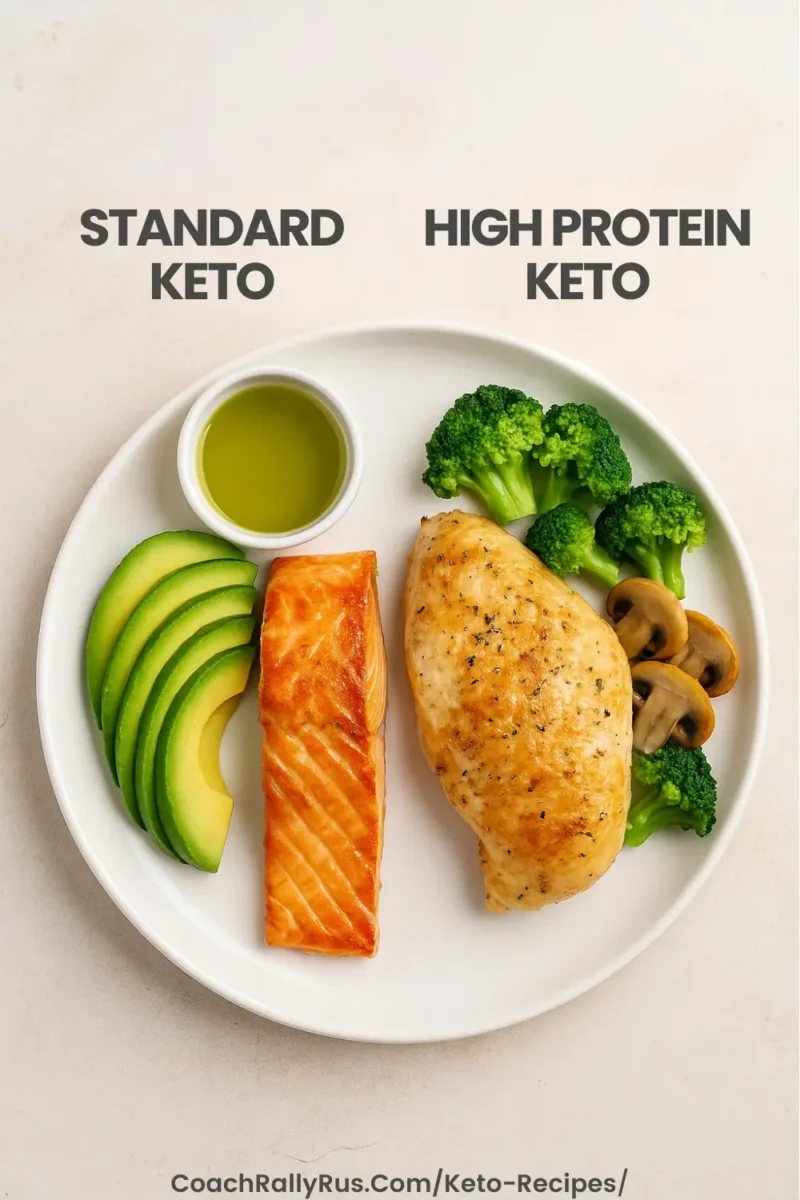
Standard Keto
A more traditional keto approach leans higher in fat with moderate protein.
This often works well:
- In the early stages of keto, when your body is learning to burn fat
- When cravings feel intense
- When meals need to feel very filling and comforting
When I first started keto in my mid-30s, this approach worked very well for me. Higher-fat meals helped me feel satisfied, reduced cravings, and made weight loss feel easier to sustain early on.
Higher-Protein Keto
A higher-protein approach keeps carbs low but increases protein slightly while keeping fat moderate.
This can work better:
- As bodies change with age
- For people who are more active or train at the gym
- When very fat-heavy meals stop supporting weight loss
As I moved into my 40s, I noticed my body responded differently. Protein started to play a bigger role in satiety and weight management, while very high-fat meals no longer had the same effect they once did.
How to Approach This As a Beginner
If you are new to keto, it often makes sense to start with a more traditional, higher-fat approach for the first few months. Giving your body time to adapt to fat burning, usually around 3 months, can make the transition smoother and reduce cravings.
After that adaptation phase, many people naturally adjust. If you are active, lifting weights, or noticing changes in how your body responds with age, increasing protein slightly can feel more supportive.
You do not need to pick a side. Keto is not a fixed formula or a lifetime ratio. It is a spectrum that can shift as your body, lifestyle, and needs change.
What Matters More Than Macros for Weight Loss
It is easy to get stuck worrying about fat grams, protein ratios, and carb limits. For beginners, those details often matter less than expected when it comes to weight loss.
What usually matters more:
- Eating real, simple foods
- Staying consistent for several weeks
- Sleeping enough
- Managing stress
- Giving your body time to adapt
Macros are tools. They help guide choices, but they are not a measure of success or failure.
Do You Need to Count Calories on Keto?
This is a common question, and it often causes a lot of debate.
In my experience, most beginners do not need to count calories when starting keto. One of the reasons keto can feel different from other diets is that it naturally changes hunger and appetite signals.
Before keto, I spent years on calorie-restricting diets. Over time, that approach stopped working for me. I eventually found that eating too little made weight loss harder, not easier. When I stopped forcing low calories and focused on real, satisfying keto meals instead, weight loss became more sustainable.
For most people starting keto:
- Focusing on food quality matters more than calorie math
- Severe calorie restriction often backfires
- Eating enough supports consistency and makes keto easier to stick with
This does not mean calories do not exist. It means that intentionally eating very low calories is rarely helpful at the beginning.
If progress stalls after several months, some people choose to look more closely at portions or intake. That is a personal choice, not a requirement for starting keto successfully.
How to Start Keto Without Overthinking It
If you are just starting keto, focus on small, repeatable steps.
A simple way to begin:
- Pick two or three keto meals you can repeat
- Clean up one grocery trip
- Remove obvious carb foods from daily meals
- Give yourself at least two weeks before judging results
If you want a simple way to plan meals without overthinking it, you can explore my free keto recipe collections and meal plans and use the ones that fit your lifestyle best.
You do not need to do everything at once. Momentum comes from clarity, not pressure.

Final Thoughts
The keto diet does not have to feel extreme to support weight loss. You are allowed to start imperfectly, adjust as you learn, and change your approach over time.
I have been eating keto since 2019, and my approach today looks different from when I started. That flexibility is not a failure. It is how long-term weight loss actually works.
Keto is a tool, not a test. Use it in a way that supports your life, not one that adds more stress to it.
If you want to keep things simple, here are your best next steps (choose what you need most):
- Free Keto Start Checklist (no pressure, no macros)
- Keto Foods List Guide (clear yes/no food answers)
- Keto Starter Bundle (all beginner guides in one place)



Thank you very much for sharing, I learned a lot from your article. Very cool. Thanks.